
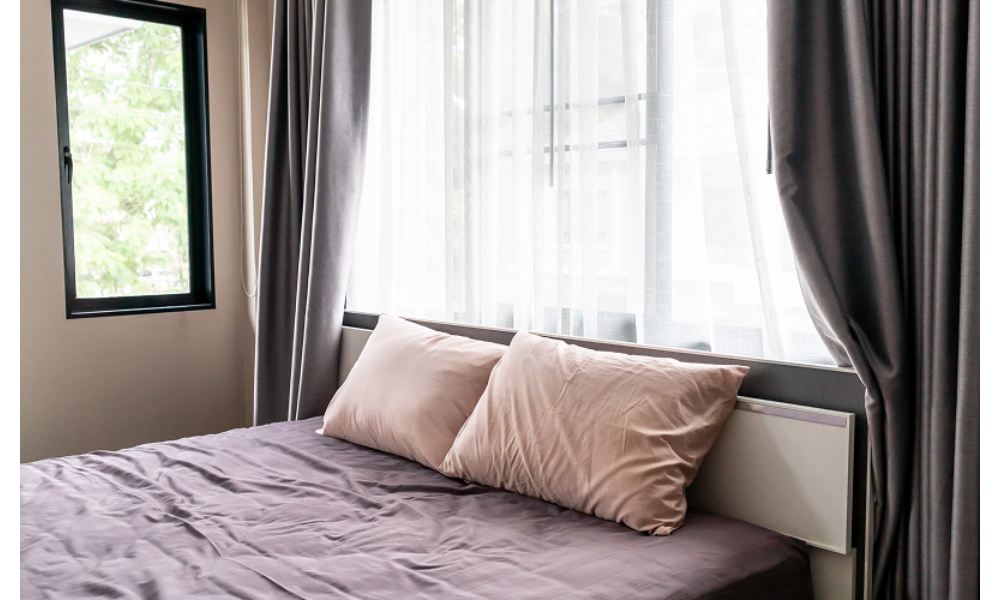
Layering curtains and blinds delivers balance between function and aesthetics. Homeowners gain flexibility in controlling privacy and light, while improving insulation and style. Blinds handle precision; curtains add softness and elegance. Combining both elevates interiors beyond single treatments.
Designers select combinations based on space purpose and natural light levels. For instance, living areas often benefit from day and night curtains layered with roller blinds. The blinds manage glare while sheer day curtains diffuse light gracefully. Bedrooms favour blackout curtains over Venetian blinds for total darkness when resting. The pairing depends on purpose, ensuring both comfort and practicality.
Maintaining visual consistency is essential. Colour, texture, and proportion must harmonise with existing furniture and flooring. Neutral blinds paired with pastel curtains keep rooms cohesive, while bold contrasts make focal points. Layering in complementary tones produces refinement and depth that mimics professional interior styling.
Choosing the Right Blind Type for Layering
Selecting the right blinds determines how effectively curtains and blinds work together. Roller, Venetian, and Roman blinds suit most layering designs. Roller blinds remain popular for their minimal look and compact fit, ideal behind full-length curtains. Venetian blinds introduce texture and control light easily through adjustable slats. Roman blinds create a soft, folded effect that pairs well with linen curtains for a homely appeal.
Material also matters. Wooden or bamboo blinds complement rustic or tropical interiors. Fabric and PVC materials blend better with contemporary designs. Weight and colour of blinds must complement the curtain fabric to prevent visual clutter. Designers achieve balance by aligning fabric thickness and colour intensity across layers.
Measuring correctly prevents layering issues. Blinds should sit close to windows, while curtains hang wider and lower to frame the view naturally. Installing blinds inside the window recess ensures neat layering, while mounting curtains outside adds spaciousness. Such techniques produce symmetry and visual expansion, improving the perceived size of smaller rooms.
Coordinating Curtains for Style and Function
Curtains define personality in any space. The outer layer influences tone, while the inner layer serves practical roles. Day and night curtains are versatile because they offer soft illumination during the day and privacy at night. The sheer day curtain lets light in gently, while the opaque night curtain blocks light when required. Pairing them with subtle blinds enhances functionality without sacrificing style.
Fabric choice shapes the atmosphere. Linen and cotton deliver casual charm; velvet and silk add sophistication. Light colours brighten small areas, while dark tones ground large ones. Designers often mix textures to add depth—smooth blinds behind textured curtains or matte blinds under glossy fabrics. Such contrast enriches spaces visually.
Hardware plays a supporting role. Sleek curtain rods, discreet brackets, and streamlined blind mounts maintain uniformity. Layering works best when components appear unified. Combining mechanical precision from blinds with flowing curtain fabrics achieves a finished look that interior designers aim for in modern homes.
Practical Tips for Perfect Curtain and Blinds Pairing
Design execution requires attention to detail. Begin with functionality—decide whether privacy, insulation, or style drives the design. Bedrooms typically need full coverage, while living rooms prioritise light control. Layering day and night curtains with blinds achieves adaptable conditions for all times of the day.
Colour coordination prevents visual confusion. Keep patterns limited to one layer and let the other remain solid. Textural contrast between blinds and curtains enhances sophistication without overpowering décor. Avoid heavy fabrics over bulky blinds to maintain smooth motion.
Maintenance also influences long-term satisfaction. Opt for washable fabrics and dust-resistant blind materials. Regular cleaning preserves colour vibrancy and prevents build-up. Installation precision ensures seamless operation—improper alignment can cause uneven folds and mechanical friction.
Lighting completes the effect. Natural light filtering through sheer curtains highlights textures and tones, adding depth to the layered setup. Evening artificial lighting should cast warm tones to complement the curtain hues. The goal remains balance, form meeting function while maintaining aesthetic appeal.
Achieving a cohesive curtain and blinds combination transforms interiors with professional flair. Every layer contributes to comfort, light control, and character. Mastering these pairings requires attention to proportion, material, and purpose. For expert guidance and quality finishes, contact Window Art Gallery for curtain installations and custom curtains in Singapore.